

This article is part of the HOGDigest editorial series. → Explore HOGDigest
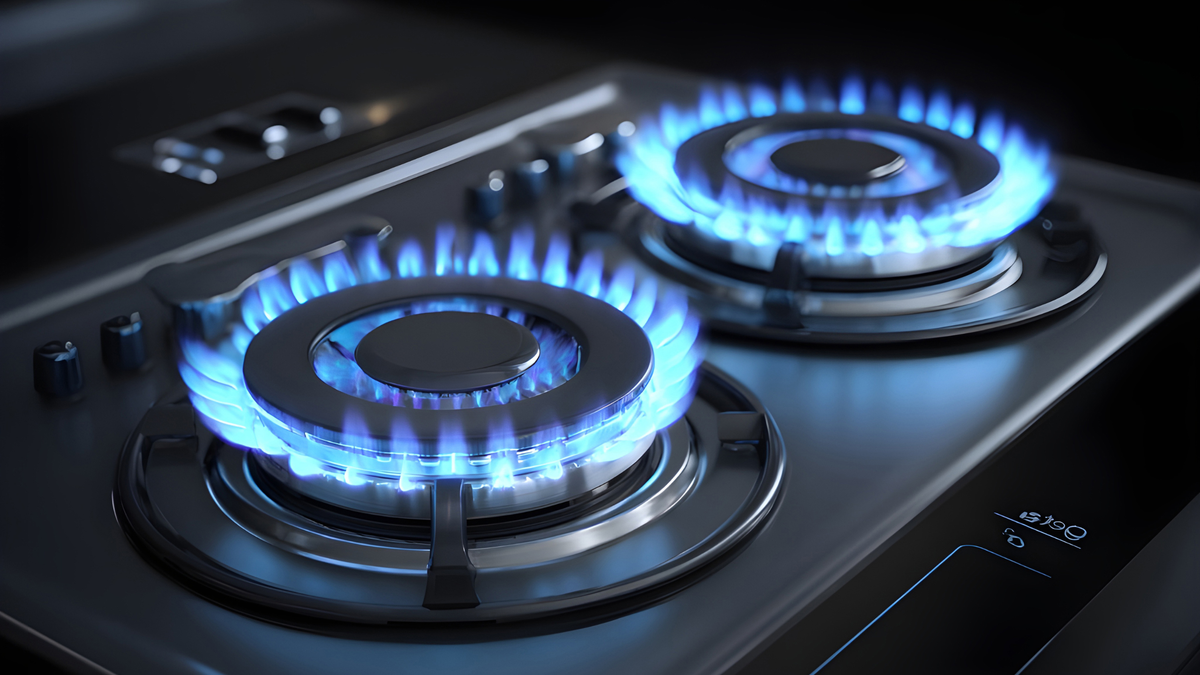
A gas cooktop flame is something many people see every day without giving it much thought. When the flame suddenly looks different, however, it can raise questions about whether the appliance is operating correctly. A typical gas cooktop flame is generally blue, although brief flashes of other colours can sometimes occur because of substances in the air, food residue or other temporary factors.
A persistent change in flame colour can have several possible causes and should be considered alongside other signs such as soot, unusual smells or changes in appliance performance. If the cause is unclear, a licensed gas fitter Sydney homeowners can contact can inspect the appliance and its gas supply rather than relying on visual appearance alone to diagnose the problem.
Why Gas Cooktop Flames Are Usually Blue
A blue flame generally indicates that the gas is burning with an appropriate supply of oxygen under normal operating conditions. Gas mixes with air before and during combustion, and the design of the burner helps create the conditions needed for an efficient flame. The exact appearance can vary slightly depending on the appliance, burner setting and type of gas being used, so homeowners should become familiar with how their cooktop normally operates.
The flame should also be relatively stable and evenly distributed around the burner. A sudden change from the cooktop's normal appearance is often more useful to notice than minor variations in colour. If a flame that has consistently been blue becomes predominantly yellow or begins behaving differently, it may be worth checking whether the burner needs cleaning or whether another issue is affecting combustion.
Food Residue and Dirty Burners Can Affect the Flame
Cooktops are regularly exposed to grease, food particles and cleaning products. Over time, residue can collect around burner ports and other components, potentially interfering with how gas and air move through the burner. A spill during cooking can also temporarily affect flame appearance, particularly if material reaches the burner before it has been properly cleaned and dried.
Burner components should be cleaned according to the appliance manufacturer's instructions and correctly repositioned afterwards. A burner cap that is not sitting properly can affect flame distribution, while blocked burner openings may cause uneven flames. If cleaning accessible components does not restore normal operation, avoid dismantling gas components yourself and arrange an appropriate inspection instead.
Yellow or Orange Flames Can Have Different Causes
Yellow or orange colouring does not always have a single explanation. Temporary colour changes can sometimes be caused by airborne contaminants, dust or substances released during cooking. This is why an occasional flash of colour is different from a persistent yellow flame that continues whenever the burner operates. The overall behaviour of the appliance needs to be considered rather than diagnosing a fault based on colour alone.
A consistently unusual flame can also indicate that combustion is not occurring as intended, potentially because of airflow, burner condition, adjustment or another appliance issue. Persistent yellow flames accompanied by soot or noticeably different performance deserve professional attention. Because gas appliances involve combustion, homeowners should avoid attempting internal adjustments without the appropriate qualifications.
Uneven Flames May Point to a Burner Problem
Colour is not the only characteristic worth watching. Flames that are noticeably uneven, unusually high on one side or failing to appear around part of the burner may indicate that gas is not flowing evenly through the burner ports. Food residue, incorrect burner assembly or deterioration of a component are among the possible explanations, although the actual cause needs to be assessed.
If the cooktop has removable burner caps or other user-serviceable components, make sure they have been positioned correctly after cleaning by following the manufacturer's instructions. Compare different burners as well. A problem affecting only one burner may suggest a localised issue, while similar changes across several burners could warrant investigation of the appliance or supply more broadly.
Soot, Unusual Smells and Other Changes Need Attention
Flame colour becomes more concerning when it appears alongside other unusual signs. Black marks or soot around cookware or the cooktop can indicate that something about combustion needs attention. A burner that has become difficult to ignite, repeatedly goes out or behaves differently from the way it normally operates should also be assessed rather than simply ignored because it still produces some heat.
Any suspected gas leak requires more immediate attention. If you smell gas or believe gas may be escaping, stop using the appliance and follow appropriate gas-safety procedures, including avoiding flames or actions that could create an ignition source. Contact the relevant emergency service or gas provider where necessary and have the installation checked by an appropriately licensed professional before using an appliance suspected of being unsafe.
When Should a Gas Cooktop Be Professionally Checked?
A temporary flame change caused by a recent spill may disappear once the cooktop has cooled and the burner has been properly cleaned and reassembled. Persistent changes are different. If the flame remains unusually yellow, becomes unstable, produces soot or is accompanied by ignition problems, the cooktop should be professionally assessed. The same applies when a homeowner is uncertain whether the appliance is operating normally.
A qualified gas fitter can inspect the appliance, burner operation and relevant gas connections to determine what is contributing to the problem. This is preferable to attempting adjustments based solely on advice intended for a different appliance model. Gas systems have specific installation and servicing requirements, and work on regulated components should be left to professionals with the appropriate licensing.
Conclusion
A change in gas cooktop flame colour can have a relatively simple explanation, such as food residue or a burner cap that has not been positioned correctly after cleaning. Other changes may be associated with airflow, burner condition or combustion problems that require further investigation. Looking at the flame together with signs such as uneven burning, soot, ignition difficulties and unusual appliance behaviour provides more useful information than colour alone.
Homeowners can keep accessible burner components clean and follow the manufacturer's operating instructions, but internal gas adjustments and repairs should not become a DIY project. When an unusual flame persists or there are concerns about the safe operation of the cooktop, having the appliance professionally inspected can identify the cause and determine what work, if any, is required.